
Table of Contents
- Why Your Delivery Partner Matters
- Understanding Your Business Needs
- Types of Delivery Services in Seattle
- Key Evaluation Factors
- Red Flags to Avoid
- Seattle’s Unique Delivery Challenges
- Questions to Ask Potential Partners
- Making Your Final Decision
- Common Mistakes to Avoid
- Frequently Asked Questions
Choosing the right delivery service in Seattle can make or break your business reputation. In our city’s competitive market, where customers expect fast and reliable service, selecting the wrong delivery partner creates frustrated customers and lost revenue. This comprehensive guide helps Seattle business owners find the perfect delivery service match for their unique needs. Visit our homepage for more information.

Figure 1- TymliErrands’delivery vehicle in the Seattle business district
Whether you’re a boutique retailer on Capitol Hill, an e-commerce startup in South Lake Union, or a restaurant in Ballard, your delivery logistics directly impact customer satisfaction and repeat business. Yet many Seattle business owners rush into delivery partnerships without fully understanding their options or requirements.
From evaluating service reliability to understanding cost structures and ensuring proper insurance coverage, selecting the right delivery service requires careful consideration. The wrong choice leads to late deliveries, damaged products, and customer service headaches that damage your brand.
In this guide, we’ll walk you through everything Seattle business owners need to know about choosing a delivery service—from assessing your specific needs to vetting potential partners and avoiding common pitfalls that plague businesses across the region.
Why Your Delivery Partner Matters More Than You Think
Your delivery service is an extension of your brand. When a courier shows up late, handles packages carelessly, or fails to communicate with customers, it reflects on your business—not theirs. Customers don’t distinguish between your company and your delivery partner; they judge the entire experience as one.
In Seattle’s customer-centric market, delivery quality significantly impacts reviews, repeat purchases, and word-of-mouth recommendations. According to the Better Business Bureau, a single poor delivery experience can cost you not just one customer but dozens of potential future customers who read negative reviews or hear complaints from friends.
Conversely, exceptional delivery service strengthens customer loyalty, generates positive reviews, and differentiates your business from competitors. When deliveries arrive on time, items are handled with care, and communication is clear, customers notice and appreciate the professionalism.
Beyond customer experience, your delivery partner affects operational efficiency, costs, and scalability. The right service integrates smoothly with your systems, accommodates growth, and provides reliable support when issues arise. The wrong partner creates constant firefighting, unexpected costs, and operational headaches that drain time and resources.
For Seattle businesses facing unique challenges like traffic congestion, diverse neighbourhoods, and weather variability, choosing a delivery partner who understands local conditions becomes even more critical.
Understanding Your Business’s Specific Delivery Needs
Before evaluating delivery services in Seattle, clearly define your requirements. Different businesses have vastly different delivery needs, and what works for one may be completely wrong for another.
Volume and Frequency
How many deliveries do you need daily, weekly, or monthly? High-volume businesses benefit from services offering discounted rates for bulk deliveries and automated systems. Low-volume businesses might prefer pay-as-you-go models without minimums or commitments.
Consider seasonal variations too. Retail businesses may need significantly more capacity during holidays, requiring partners who can scale up temporarily without long-term contracts.
Delivery Speed Requirements
What’s your typical delivery timeline? Same-day delivery, next-day service, or standard 3-5 day shipping each requires different capabilities and cost structures.
Seattle customers increasingly expect rapid delivery, particularly for food, convenience items, and time-sensitive business supplies. If your business model depends on speed, prioritise partners specializing in same-day or express delivery over general shipping services.
Service Area Coverage
Where do your customers live? If you primarily serve Seattle proper, a local courier may suffice. Businesses serving the greater Puget Sound region need partners with reliable coverage throughout Bellevue, Tacoma, Everett, and surrounding areas.

Figure 2-Map showing some of our Seattle delivery coverage areas
Some neighbourhoods present particular challenges. West Seattle access limitations, Magnolia’s geography, and ferry-dependent islands require specific expertise. Ensure your delivery partner effectively serves your actual customer base.
Package Types and Sizes
What are you shipping? Small packages, large furniture, fragile items, perishable goods, and temperature-sensitive products each require different handling capabilities.
Restaurants need insulated bags and temperature monitoring. Furniture retailers need trucks and assembly services. Electronics businesses need careful handling and signature requirements. Match your delivery partner’s capabilities to your product characteristics.
Special Requirements
Do you need white-glove service, assembly, installation, or specialised handling? Many products require more than simple drop-off delivery.
Consider whether you need services like scheduled appointments, specific delivery windows, proof of delivery with photos, age verification, or signature requirements. Not all delivery services accommodate these needs, especially at reasonable costs.
Budget Constraints
What can you afford to spend on delivery? This affects everything from service selection to delivery speed options you can offer customers.
Factor in not just per-delivery costs but also monthly fees, insurance, packaging materials, and technology integration expenses. Understanding your true delivery budget helps narrow options realistically.
Types of Delivery Services Available in Seattle
Seattle offers diverse delivery options, each with distinct advantages and limitations. Understanding these categories helps you identify which best fits your needs.
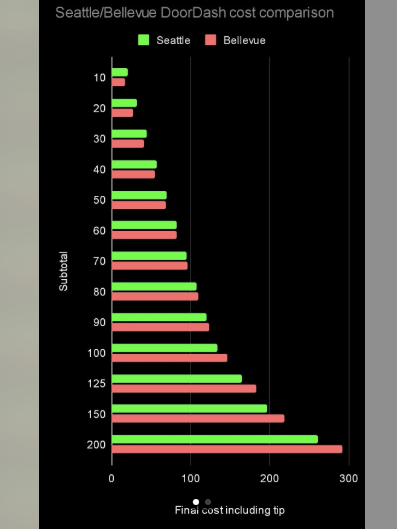
Figure 3-Seattle and Bellevue Comparison infographic
National Shipping Carriers
UPS, FedEx, and USPS provide reliable, affordable shipping with extensive coverage. These services work well for standard-sized packages going anywhere in the country with predictable timelines.
- Advantages include established infrastructure, tracking systems, competitive rates for standard shipping, and universal recognition.
- Disadvantages include limited flexibility, impersonal service, and challenges with specialised or time-sensitive deliveries.
Most Seattle businesses use national carriers for some shipping needs but supplement with other services for local or special requirements.
Regional Courier Services
Regional couriers focus on the Puget Sound area, offering more personalised service than national carriers while maintaining professional standards and reasonable rates.
These services understand Seattle’s geography, traffic patterns, and neighbourhood quirks. They typically offer more flexible scheduling, direct communication, and accommodation for unusual requests.
Local services like TymliErrands excel at same-day delivery, large-item transport, and personalised service that national carriers can’t match. They’re ideal for businesses prioritising customer experience and needing delivery partners who act as true extensions of their brand.
On-Demand Delivery Platforms
Apps like DoorDash, Uber Direct, Postmates, and similar platforms offer pay-per-delivery services with large driver networks. They’re particularly popular for food delivery and small-item shipments requiring rapid fulfilment.
- Advantages include easy setup, no monthly fees, and the ability to start immediately.
- Disadvantages include variable service quality, limited control over the delivery experience, and potential brand confusion (customers may view their delivery as a DoorDash order rather than your brand’s service).
These platforms work well for restaurants and businesses with small, urgent deliveries but less effectively for businesses requiring consistent branding or specialised handling.
Specialised Delivery Services
Certain businesses need specialised capabilities like refrigerated transport, medical supply delivery, furniture delivery with assembly, or handling of fragile high-value items.
Specialised services cost more but provide expertise and equipment that general carriers lack. If your products require special handling, partnering with specialists typically proves worthwhile.
Freight and Logistics Companies
For businesses shipping large volumes, palletised goods, or managing complex supply chains, freight companies offer comprehensive logistics solutions.
These services handle warehousing, inventory management, order fulfilment, and shipping coordination. They’re typically overkill for small businesses but essential for companies shipping wholesale or managing significant inventory.
Key Factors to Evaluate When Choosing a Delivery Service
Once you understand your needs and available options, evaluate potential partners using these critical criteria:
Reliability and On-Time Performance
Nothing matters more than reliability. Late deliveries, lost packages, and failed delivery attempts damage your reputation and create costly customer service issues.
Research each service’s on-time delivery rates. Request references from similar Seattle businesses. Check online reviews, focusing specifically on reliability comments. Ask potential partners about their performance metrics and whether they guarantee delivery times.
For time-sensitive deliveries, understand what happens when delays occur. Does the service offer compensation, proactive communication, or service credits when they miss commitments?
Service Area and Coverage
Verify the service actually covers all areas where your customers live. Don’t assume; ask specifically about Seattle neighbourhoods and the surrounding cities you serve.
Some services claim “Seattle coverage” but struggle with areas like West Seattle, Magnolia, or ferry-dependent locations. Others serve the entire Puget Sound region reliably—match coverage to your actual needs rather than aspirations.
Cost Structure and Transparency
Understand exactly what you’ll pay. Delivery pricing can be surprisingly complex, with base rates, fuel surcharges, distance fees, weight charges, and various additional costs.
Request detailed pricing for your typical shipment profiles. Ask about minimum fees, monthly charges, setup costs, and potential additional fees. Services with transparent, predictable pricing simplify budgeting and prevent surprise expenses.
Compare total costs including insurance, packaging, and any technology integration fees rather than just base delivery rates. The cheapest option often becomes expensive once all costs are included.
Insurance and Liability Coverage
Understand what protection the service provides if items are lost, damaged, or stolen. Basic carrier liability typically covers far less than package values, leaving you exposed to losses.
Ask whether additional insurance is available and at what cost. For high-value shipments, proper insurance is essential. Clarify claims processes too—some services make filing claims difficult, while others handle them smoothly.
Verify the service carries appropriate business insurance including general liability and worker’s compensation. Uninsured carriers create legal and financial risks if accidents occur during deliveries.
Technology and Integration
Modern delivery requires technology integration with your existing systems. Evaluate how the service’s technology interfaces with your e-commerce platform, point-of-sale system, or order management software.
Key features include:
- Automated order transmission
- Real-time tracking links for customers
- Delivery confirmation and proof of delivery
- Integration with customer notification systems
- Reporting and analytics tools
Services with robust technology reduce manual work, improve customer communication, and provide data for optimizing your delivery operations. Manual processes create inefficiency and increase error rates.
Customer Service and Communication
When problems arise—and they will—responsive customer service becomes critical. Evaluate how the delivery service handles support requests, resolves issues, and communicates with both you and your customers.
Can you reach a real person quickly? Do they offer support during your business hours? How do they handle delivery exceptions, customer complaints, or urgent situations?
Local services like TymliErrands typically offer more personalized support than national carriers, making them valuable partners when customer relationships matter.
Flexibility and Scalability
Your business will change, and your delivery partner should accommodate growth, seasonal variations, and evolving needs.
Can they handle increased volume during busy seasons? Will they accommodate special requests for important customers? Can they adjust services as your business model evolves?
Rigid services that can’t adapt force you to change partners as you grow, creating disruption and transition costs. Flexible partners support your success long-term.
Reputation and Track Record
Research the service’s reputation through online reviews, Better Business Bureau ratings, and conversations with other Seattle business owners.
Look for patterns in feedback. Every service occasionally has problems, but consistent complaints about specific issues (late deliveries, damaged items, poor communication) signal systematic problems.
Local business associations, chambers of commerce, and industry groups can provide insights into delivery services’ reputations within the Seattle business community.
Red Flags That Should Make You Avoid a Delivery Service
Certain warning signs indicate a delivery service will cause more problems than it solves:
Lack of Insurance or Licensing
Any delivery service operating without proper business insurance and licensing puts you at risk. If accidents occur or items are lost, you may have no recourse. Professional services willingly provide proof of insurance and licensing credentials.
Unclear Pricing or Hidden Fees
Services that avoid providing clear pricing or whose initial quotes dramatically differ from final invoices create budgeting nightmares and erode trust.
Reputable services provide transparent pricing upfront and honour their quotes. If a service can’t or won’t explain their fee structure clearly, avoid them.
Poor Communication or Unresponsiveness
If a service is hard to reach during the evaluation phase, it’ll be impossible to contact when you need support. Responsive communication during sales indicates how they’ll treat actual customers.
Consistently Negative Reviews
While occasional negative reviews are normal, patterns of complaints about reliability, damaged items, or poor customer service indicate systematic problems. Trust other Seattle businesses’ experiences.
No References or Track Record
Established services readily provide references from satisfied clients. New or questionable services often can’t or won’t provide references, suggesting limited experience or poor performance.
Unwillingness to Accommodate Specific Needs
If a service immediately dismisses your requirements as too difficult or unusual, they’re not a good fit. Professional services discuss how they can accommodate your needs or honestly explain limitations.
Pressure Tactics or Long-Term Contract Requirements
Legitimate delivery services don’t need to pressure businesses into long-term commitments. If a service pushes hard for contracts or creates urgency during the sales process, proceed cautiously.
[Call-to-Action Button: Get Honest Answers from TymliErrands – No Pressure]
How Seattle’s Unique Challenges Affect Delivery Service Selection
Seattle’s specific geographic, infrastructural, and cultural characteristics create delivery challenges that should influence your service selection.

Figure 4-Seattle delivery challenges, including traffic and bridge access
Traffic and Infrastructure Issues
Seattle’s notorious traffic congestion, bridge bottlenecks, and construction zones significantly impact delivery timing. According to the Seattle Department of Transportation, services unfamiliar with local conditions underestimate travel times, causing chronic delays.
Prioritise partners who demonstrate knowledge of Seattle traffic patterns, use route optimisation technology, and build realistic buffer times into schedules. Local experience makes an enormous difference in delivery reliability.
Neighborhood Accessibility
Many Seattle neighbourhoods present access challenges. West Seattle’s limited bridge access, Magnolia’s single main entry point, and dense urban areas like Capitol Hill with limited parking affect delivery logistics.
Services with Seattle experience navigate these challenges effectively. Those primarily operating elsewhere may struggle, causing delays and customer frustration.
Weather Considerations
While Seattle’s weather is milder than most regions, rain, fog, and occasional snow impact delivery operations. Hills become hazardous during ice, heavy rain slows traffic, and poor visibility affects safety.
Experienced Seattle delivery services plan for weather impacts and communicate proactively about delays. They also properly protect packages from rain damage—critical for maintaining product quality.
Building Access and Security
Seattle’s growth has brought increased building security, requiring delivery personnel to navigate complex entry systems, coordinate with building management, and follow specific protocols.
Delivery services accustomed to suburban deliveries may struggle with Seattle’s secured buildings, apartment complexes, and office towers. Local services understand these requirements and navigate them efficiently.
Customer Expectations
Seattle customers expect excellent service, environmental consciousness, and modern conveniences like real-time tracking and flexible delivery windows. Services that don’t meet these expectations receive poor reviews, affecting your business reputation.
Choose partners whose service standards align with Seattle customer expectations. This protects your brand and ensures customer satisfaction.
Questions to Ask Potential Delivery Partners
Before committing to a delivery service, ask these critical questions:
Service Capabilities
- What areas do you cover within Seattle and the surrounding regions?
- What’s your average on-time delivery rate?
- How do you handle same-day or urgent delivery requests?
- What size and weight limits do you have?
- Can you accommodate special handling requirements?
- Do you offer scheduled delivery windows or only estimated arrival?
Costs and Fees
- What’s your pricing structure for typical deliveries?
- Are there minimum fees, monthly charges, or setup costs?
- What additional fees might apply (fuel surcharges, weekend delivery, special handling)?
- How do you handle returns or failed delivery attempts?
- What payment terms do you offer?
Insurance and Protection
- What insurance coverage do you provide?
- What’s the claims process if items are damaged or lost?
- Do you carry general liability and workers’ compensation insurance?
- Can you provide certificates of insurance?
Technology and Integration
- How does your system integrate with e-commerce platforms?
- What tracking and notification capabilities do you offer?
- Can customers communicate directly with drivers?
- What reporting and analytics do you provide?
- How do you handle order intake and confirmation?
H3: Operational Details
- What are your operating hours and days?
- How do you handle delivery during adverse weather?
- What’s your driver hiring and vetting process?
- How do you ensure consistent service quality?
- What happens when regular drivers are unavailable?
Customer Service
- How can I reach support when issues arise?
- What’s your typical response time for inquiries?
- Who will be my main point of contact?
- How do you handle customer complaints?
- Can you provide references from similar Seattle businesses?
Making the Final Decision
After evaluating options, making the final selection requires balancing multiple factors:
Trial Periods
Many services offer trial periods or single-delivery tests. Use these to evaluate actual performance before committing long-term. Send several deliveries to different areas, testing various scenarios.
Pay attention to communication quality, timeliness, package condition, and overall professionalism. A trial period reveals far more than sales presentations.
Contract Terms
Review any contracts carefully before signing. Understand the length of commitment, termination clauses, performance guarantees, liability limitations, and renewal terms.
Avoid long-term commitments initially. Start with month-to-month or short contracts until the service proves reliable. Good services earn long-term relationships through performance, not contractual obligations.
Backup Plans
Even with excellent primary delivery partners, maintain backup options. Having alternative services available prevents operational disruptions if your primary partner experiences issues or capacity constraints.
This redundancy proves particularly valuable during peak seasons when your regular service may have limited availability.
Regular Performance Review
After selection, regularly review your delivery partner’s performance. Monitor on-time delivery rates, customer feedback, damage rates, and overall satisfaction.
Schedule periodic meetings with your delivery partner to discuss performance, address concerns, and explore improvements. Strong partnerships involve ongoing communication and mutual commitment to excellence.
[Call-to-Action Button: Start Your Free Trial with TymliErrands Today]
How TymliErrands Supports Seattle Businesses
TymliErrands understands the unique challenges Seattle businesses face because we’re part of this community. Based in Renton and serving Seattle, Bellevue, Tacoma, and surrounding areas, we provide delivery solutions tailored to local business needs.

Figure 5-TymliErrands professional delivery team serving Seattle businesses
What Sets Tymli Apart
- Local Knowledge: Our runners know Seattle’s neighbourhoods, traffic patterns, and building access requirements intimately. This expertise ensures reliable, efficient deliveries.
- Personalised Service: Unlike automated platforms, you work with real people who understand your business and care about your success. We’re not just a vendor; we’re your partner.
- Flexibility: Need same-day delivery? Furniture assembly? Multiple stops? Special handling? We accommodate requests that larger services dismiss as too complicated.
- Transparent Pricing: Flat-rate pricing for common routes and custom quotes for unique needs mean no surprise charges. You know exactly what you’ll pay.
- Professional Standards: All runners are background-checked, insured, and trained in proper handling techniques. Your products and reputation are protected.
- Technology Integration: Real-time tracking, proof of delivery, and communication tools keep you and your customers informed throughout the delivery process.
Services We Provide
- Same-day pickup and delivery from stores, warehouses, or offices
- Furniture delivery and assembly
- Retail fulfilment for local e-commerce businesses
- Document and package courier services
- Large item transport requiring specialised vehicles
- Multi-stop delivery routes
- Scheduled and on-demand delivery options
Whether you’re a boutique retailer, restaurant, office supply company, or any business needing reliable local delivery, TymliErrands provides solutions that work.
Common Mistakes Seattle Businesses Make When Choosing Delivery Services
Learning from others’ mistakes helps you avoid similar pitfalls:
Choosing Based on Price Alone
The cheapest service rarely provides the best value. Low prices often mean compromised insurance, inexperienced drivers, poor customer service, or hidden fees that emerge later.
Focus on total cost of ownership including quality, reliability, and customer satisfaction impact rather than just per-delivery charges.
Failing to Verify Insurance and Licensing
Assuming a delivery service carries appropriate insurance without verification creates significant risk. Always request and review proof of insurance and business licensing before committing.
Ignoring Customer Feedback
Your customers experience your delivery service directly. Their feedback reveals problems you might not see from your perspective. Regularly solicit and act on customer delivery feedback.
Not Testing Before Committing
Signing long-term contracts without testing actual service quality is risky. Always run trials before making significant commitments.
Overlooking Technology Limitations
Manual delivery processes waste time and increase errors. Choosing services with poor technology integration creates ongoing operational inefficiency.
Neglecting Communication Channels
When problems arise, you need responsive support. Services with poor communication become liabilities during critical situations.
Assuming One Service Fits All Needs
Different products, customers, and situations may require different delivery approaches. Don’t force all deliveries through one channel when diversification would serve customers better.
Frequently Asked Questions
How much should I budget for delivery services as a Seattle business?
Delivery costs typically range from 5-15% of product value depending on item type, delivery speed, and distance. Small businesses using local couriers might spend $500-$2,000 monthly, while larger operations could spend $5,000-$20,000+. Start by calculating your average delivery needs and request quotes from 3-4 services. Factor in not just per-delivery costs but also insurance, technology integration, and packaging materials for accurate budgeting.
Should I use one delivery service or multiple providers?
Most successful Seattle businesses use 2-3 delivery partners to cover different needs. A national carrier for standard shipping, a local service like TymliErrands for same-day and special deliveries, and potentially a specialized service for unique requirements. This diversification provides redundancy, optimizes costs for different delivery types, and prevents complete operational disruption if one service has problems.
How do I handle customer complaints about delivery?
Take all delivery complaints seriously as they reflect on your business. Contact your delivery partner immediately with specific details. Request their investigation and response. Compensate affected customers appropriately with refunds, replacements, or credits. Track complaint patterns to identify systematic issues. If problems persist, don’t hesitate to change delivery partners—your business reputation depends on delivery quality.
H3: What insurance should my delivery service carry?
At minimum, delivery services should carry general liability insurance ($1-2 million coverage), commercial auto insurance, cargo insurance protecting package values, and worker’s compensation for employees. Request certificates of insurance and verify coverage directly with insurance providers. For high-value shipments, additional insurance beyond standard coverage is essential.
Can I require delivery services to follow specific brand guidelines?
Professional delivery services often accommodate brand-specific requirements like vehicle appearance standards, uniform requirements, branded packaging, specific communication scripts, and delivery protocol requirements. Discuss your brand standards during service evaluation and confirm the service can comply. Local services like TymliErrands typically offer more flexibility with customization than national carriers.
How quickly can I start using a new delivery service?
Setup timelines vary significantly. On-demand platforms like DoorDash or Uber Direct allow immediate start. Local couriers like TymliErrands typically begin service within 1-3 days after agreement. National carriers require 1-2 weeks for account setup and integration. Technology integration may add additional time. Plan service transitions carefully to avoid delivery gaps during the changeover period.
Conclusion
Choosing the right delivery service profoundly impacts your Seattle business’s success, customer satisfaction, and operational efficiency. While the decision requires careful evaluation and research, investing time upfront prevents costly mistakes and builds a partnership that supports your growth.
The right delivery partner provides:
- Reliable, on-time delivery that protects your reputation
- Professional service that reflects well on your brand
- Flexibility to accommodate your evolving needs
- Technology that streamlines operations and keeps customers informed
- Responsive support when challenges arise
- Fair pricing without hidden fees or surprises
Whether you’re just starting your business or looking to improve existing delivery operations, Seattle offers delivery services for every need. From national carriers for standard shipping to local partners like TymliErrands for personalized, same-day service, the key is matching capabilities to your specific requirements.
Don’t settle for delivery services that compromise your customer experience or create operational headaches. Choose partners who understand Seattle’s unique challenges, share your commitment to excellence, and treat your success as their own.
Ready to find a delivery partner who truly understands your Seattle business? Contact TymliErrands to discuss your specific needs and discover how local expertise, personal service, and professional reliability can transform your delivery operations.
[Final Call-to-Action Button: Get Started with TymliErrands – Free Consultation]