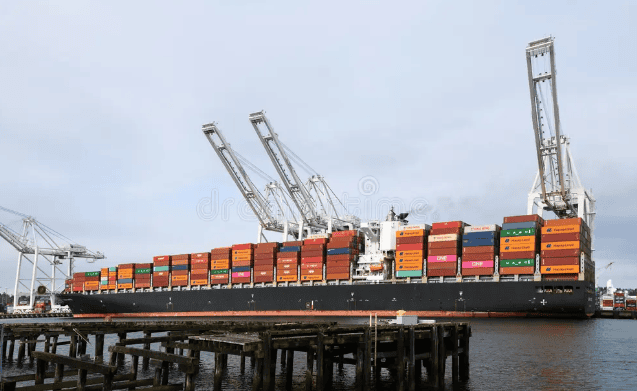
Figure 1-Shipping containers being loaded at Seattle port terminal with cranes in background
The Pacific Northwest serves as a critical gateway for international trade, with Seattle and Tacoma ports processing millions of shipping containers annually. For businesses importing or exporting goods, understanding container drayage services is essential to maintaining efficient supply chains and controlling logistics costs.
Whether you’re a small business owner receiving your first international shipment or a seasoned logistics manager optimizing your transportation network, this comprehensive guide will walk you through everything you need to know about container drayage services in the Seattle-Tacoma region — and how local experts like TymliErrands help businesses move containers quickly and affordably. Visit our homepage for more information.
What Is Container Drayage and Why Does It Matter?
Container drayage refers to the short-distance transportation of shipping containers from ports to nearby warehouses, distribution centers, rail yards, or final destinations. This crucial first-mile or last-mile service bridges the gap between ocean freight and your supply chain.
In the Seattle-Tacoma metropolitan area, drayage typically involves moving containers from the Port of Seattle or Port of Tacoma to locations within a 50-100 mile radius. This seemingly simple service actually requires specialized equipment, extensive port knowledge, and careful coordination to execute successfully.
The Role of Drayage in Your Supply Chain
Drayage acts as the critical link in intermodal transportation. When your container arrives at the port after weeks at sea, drayage services ensure it reaches your warehouse or distribution center quickly and safely. Without efficient drayage, containers sit idle at the terminal, accumulating expensive storage fees while your inventory remains inaccessible.
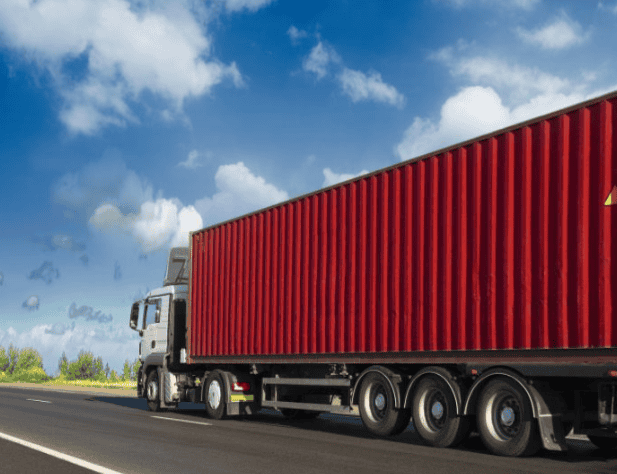
Figure 2-Truck chassis carrying 40-foot shipping container on Seattle highway
Understanding the Seattle-Tacoma Port Complex
The Northwest Seaport Alliance, formed by the Port of Seattle and Port of Tacoma, creates the third-largest container gateway in North America. This strategic partnership handles over 3.5 million twenty-foot equivalent units (TEUs) annually, making the region vital for trans-Pacific trade.
Port of Seattle Terminal Operations
The Port of Seattle operates two major container terminals: Terminal 5 and Terminal 18. Each facility has specific operating procedures, appointment systems, and gate hours that drayage providers must navigate expertly.
Terminal 5, managed by SSA Marine, handles some of the largest vessels calling on the West Coast. Understanding its appointment scheduling system, pre-pull requirements, and peak congestion periods is essential for timely container pickup.
Port of Tacoma Facilities
The Port of Tacoma operates multiple terminals including Washington United Terminals (WUT), Husky Terminal, and Pierce County Terminal. Each facility serves different shipping lines and has unique operational characteristics that experienced drayage providers must understand thoroughly.
Tacoma’s terminals often experience different congestion patterns than Seattle, making local knowledge invaluable when planning container movements and avoiding delays.
Figure 3-: Aerial view of Port of Tacoma showing multiple container terminals and stacked shipping containers
Types of Container Drayage Services Available
Not all drayage services are created equal. Understanding the different types helps you select the right service for your specific needs.
Port Drayage
Standard port drayage involves picking up a container from the marine terminal and delivering it to a nearby destination. This is the most common type of drayage service and forms the backbone of most import operations.
Pier Drayage
Pier drayage specifically refers to moving containers between the vessel and a rail ramp at the port. This service is crucial for shippers using intermodal transportation, combining ocean and rail freight.
Inter-Carrier Drayage
When containers need to move between different carriers’ facilities, inter-carrier drayage handles the transfer. This service becomes necessary when using multiple transportation providers in your supply chain.
Expedited Drayage
For time-sensitive shipments, expedited drayage services prioritize your container, ensuring same-day or next-day delivery. While more expensive, this service prevents costly production delays or stockouts.
Door-to-Door Drayage
Some providers offer comprehensive door-to-door service, handling not just the port pickup but also unloading, unpacking, and even product placement at your facility. This end-to-end solution reduces the number of vendors you need to coordinate with. Full service from port pickup to unloading at your facility — similar to specialized solutions offered by TymliErrands across the Seattle–Tacoma service areas.
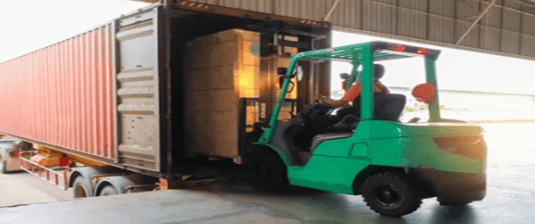
Figure 4-Worker using forklift to unload cargo from shipping container at warehouse
The True Cost of Container Drayage Services
Understanding drayage costs helps you budget accurately and identify potential savings opportunities in your logistics operations.
Base Drayage Rates
Base rates for container drayage in the Seattle-Tacoma area typically range from $150 to $400 per container, depending on distance, container size, and service level. Factors affecting base rates include:
- Container size: 20-foot, 40-foot, or 45-foot containers
- Container type: Standard, high-cube, refrigerated, or open-top
- Distance from port: Mileage from terminal to destination
- Weight: Loaded weight affects fuel costs and equipment requirements
Additional Fees and Surcharges
Beyond base rates, several additional charges can significantly impact your total drayage costs:
Chassis Usage Fees: If your drayage provider doesn’t own chassis, you’ll pay daily or per-use fees ranging from $25 to $75.
Fuel Surcharges: Most carriers apply fuel surcharges that fluctuate with diesel prices, typically adding 10-25% to your base rate.
Wait Time Charges: If drivers wait more than the included free time at pickup or delivery locations, expect hourly wait charges of $50-$100.
Pre-Pull Fees: Picking up containers before your appointment window incurs pre-pull fees of $50-$150.
Storage Fees: If containers cannot be delivered immediately and require temporary storage, daily rates of $25-$50 apply.
Overweight Charges: Containers exceeding standard weight limits trigger additional fees of $100-$300.
Demurrage and Detention: The Hidden Cost Killers
Understanding demurrage and detention fees is crucial for controlling your total drayage costs:
Demurrage refers to charges for containers remaining at the port terminal beyond the free time period (typically 4-5 days). Rates start around $100 per day and can escalate to $300+ per day after extended periods.
Detention applies when you keep the carrier’s container and chassis beyond the allowed free time after pickup. Daily detention fees typically range from $75 to $150.
Together, demurrage and detention can add thousands of dollars to a single shipment if not managed properly. Our detailed breakdown of these risks appears in the article on container transport services.
How to Choose the Right Container Drayage Provider
Selecting the right drayage partner can make the difference between smooth operations and constant frustration. Consider these critical factors:
Local Port Expertise
Your drayage provider should demonstrate deep knowledge of Seattle and Tacoma port operations. Ask potential providers:
- How long have you been serving Seattle-Tacoma ports?
- Which terminals do you regularly access?
- How do you handle appointment scheduling and gate reservations?
- What relationships do you maintain with terminal operators?
Providers with established port relationships navigate terminals more efficiently, reducing wait times and avoiding delays.
Equipment and Capacity
Verify that your provider has adequate equipment for your needs:
- Chassis availability: Do they own chassis or rely on rental pools?
- Truck fleet size: Can they handle volume spikes during peak seasons?
- Container types: Can they transport refrigerated, flat-rack, or oversized containers?
- Specialized equipment: Do they have liftgates, pallet jacks, or other needed tools?
Technology and Tracking
Modern drayage operations require technology integration. Look for providers offering:
- Real-time GPS tracking of your containers
- Electronic proof of delivery
- Online portal access for booking and tracking
- Integration capabilities with your transportation management system (TMS)
- Automated appointment scheduling
Insurance and Compliance
Protect your cargo by verifying comprehensive coverage:
- Cargo insurance with adequate limits ($100,000 minimum)
- General liability insurance
- Workers’ compensation coverage
- TWIC (Transportation Worker Identification Credential) certified drivers
- Federal Motor Carrier Safety Administration (FMCSA) registration
- Port security clearances and background checks
Peak Season Planning for Container Drayage
The Seattle-Tacoma port complex experiences significant seasonal fluctuations that impact drayage availability and costs.
Understanding Peak Season Timing
Peak shipping season typically runs from August through October as retailers stock up for the holiday season. During this period:
- Terminal congestion increases significantly
- Chassis shortages become common
- Drayage rates may increase 20-40%
- Appointment windows fill up days in advance
- Transit times extend by 1-3 days
Strategies for Peak Season Success
Book Early: Reserve drayage services 5-7 days ahead of container arrival during peak season, compared to 2-3 days during off-peak periods.
Consider Pre-Pulls: Despite additional costs, pre-pulling containers before your delivery date ensures availability and avoids terminal congestion.
Build Buffer Time: Add 2-3 extra days to your supply chain timeline during peak months to account for delays.
Establish Preferred Partnerships: Carriers prioritize their regular customers during capacity crunches. Building relationships during off-peak times pays dividends when capacity tightens.
Flexible Delivery Windows: Offering wider delivery windows gives carriers more scheduling flexibility, improving your chances of timely service.
Common Container Drayage Challenges and Solutions
Even experienced shippers encounter drayage challenges. Understanding common issues and their solutions helps you prepare effectively.
Challenge 1: Container Availability Delays
Containers don’t always get unloaded from vessels on schedule. Weather, labor issues, or operational problems can delay availability by days.
Solution: Monitor your container status through the shipping line’s website or your freight forwarder. Book drayage conditionally based on confirmed availability rather than estimated arrival dates. Maintain communication with your drayage provider to adjust pickup schedules as needed.
The Seattle-Tacoma area has experienced periodic chassis shortages, particularly during peak seasons or after service disruptions.
Solution: Work with drayage providers who own their chassis rather than relying solely on chassis pools. Consider street-turn programs where empty containers can be returned to alternative locations, freeing chassis faster.
Challenge 3: Port Congestion
Extended gate times and terminal congestion waste driver hours and increase costs through wait-time charges.
Solution: Schedule appointments during off-peak hours (avoiding morning and late afternoon rushes). Use providers with multiple drivers who can flex schedules around congestion patterns. Consider night-gate operations when available.
Challenge 4: Last-Minute Changes
Customs holds, documentation issues, or operational changes often require schedule adjustments with little notice.
Solution: Partner with flexible drayage providers who offer same-day dispatch capabilities. Maintain clear communication channels with your provider, including direct driver contact when needed.
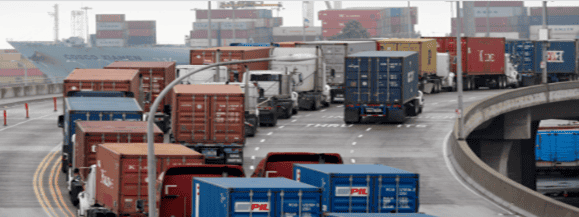
Figure 5-Traffic congestion near Seattle port showing multiple container trucks waiting at terminal gate
Sustainable Container Drayage Practices
Environmental considerations increasingly influence drayage operations in the Pacific Northwest, with ports and governments implementing green initiatives.
Clean Truck Programs
Both Seattle and Tacoma ports participate in the Northwest Ports Clean Air Strategy, encouraging the use of cleaner-burning trucks. When selecting a drayage provider, consider their fleet’s environmental profile:
- Model year of trucks (2010 or newer preferred)
- Alternative fuel options (natural gas, electric, or hybrid)
- Participation in voluntary emissions reduction programs
- Optimization practices that reduce empty miles
Reducing Carbon Footprint
Beyond vehicle emissions, operational efficiency reduces environmental impact:
Route Optimization: Smart routing reduces miles driven and fuel consumption.
Load Consolidation: Combining multiple containers or coordinating with other shippers reduces empty truck movements.
Intermodal Solutions: Using rail for longer inland movements significantly reduces per-mile emissions compared to trucking.
Green Certification Programs
Look for drayage providers with environmental certifications such as:
- SmartWay Transport Partnership (EPA)
- Green Marine certification
- ISO 14001 Environmental Management
- LEED-certified facilities
Technology Innovations Transforming Container Drayage
The drayage industry is evolving rapidly with technology adoption improving efficiency, transparency, and customer experience.
Digital Freight Matching Platforms
Online platforms now connect shippers directly with drayage carriers, similar to how ride-sharing apps work. These platforms offer:
- Instant rate quotes
- Real-time capacity availability
- Digital booking and documentation
- Reduced empty miles through better load matching
Automated Appointment Scheduling
Advanced systems now automatically schedule terminal appointments, check-in drivers, and manage gate transactions, reducing wait times and improving terminal throughput.
Predictive Analytics
Machine learning algorithms analyze historical data to predict:
- Optimal pickup times based on congestion patterns
- Container availability timeframes
- Equipment needs and staging requirements
- Potential delays before they occur
Working with Freight Forwarders vs. Direct Drayage Providers
Understanding when to use a freight forwarder versus booking drayage directly affects your service level and costs.
Freight Forwarder Benefits
Freight forwarders coordinate your entire supply chain, including drayage as part of comprehensive service:
Advantages:
- Single point of contact for all shipment elements
- Established carrier relationships and negotiated rates
- Customs clearance coordination
- Consolidated billing
- International shipping expertise
Disadvantages:
- Less control over specific drayage providers
- Potential for communication delays through multiple parties
- May cost more than direct booking for local movements
Direct Drayage Provider Benefits
Booking directly with drayage companies offers different advantages:
Advantages:
- Direct communication with drivers and dispatchers
- More flexibility for special requirements
- Potentially lower costs by eliminating middleman
- Faster response to urgent needs
- Greater control over service quality
Disadvantages:
- You manage coordination with other supply chain partners
- Requires more logistics expertise in-house
- You negotiate rates and terms directly
Hybrid Approach
Many sophisticated shippers use both methods strategically:
- Freight forwarders for international shipments requiring customs clearance
- Direct drayage providers for domestic movements or when speed is critical
- Evaluate on a shipment-by-shipment basis based on complexity and urgency
Documentation Requirements for Container Drayage
Proper documentation ensures smooth container movement through ports and to your facility.
Essential Documents for Drayage
Bill of Lading: Proves ownership and provides shipment details. Your drayage provider needs the original or telex release to pick up the container.
Arrival Notice: Issued by the shipping line, this document confirms your container’s arrival and provides details for pickup.
Delivery Order: Authorizes the terminal to release the container to your designated drayage provider.
Terminal Release: Some terminals require additional release documentation beyond the delivery order.
Customs Entry Documents: For imports, proof of customs clearance must accompany pickup requests.
Chassis Interchange Receipt: Documents transfer of chassis responsibility between parties.
Digital Documentation Trends
The industry is moving toward paperless documentation:
- Electronic Bill of Lading (eBL)
- Digital release systems
- Electronic proof of delivery with photo documentation
- Cloud-based document management
Ensure your drayage provider can handle both traditional paper and modern digital documentation formats.
Special Considerations for Different Cargo Types
Not all containers contain standard palletized freight. Special cargo requires specialized drayage services.
Refrigerated Containers (Reefers)
Temperature-sensitive cargo in refrigerated containers needs:
- Continuous power supply during transport (genset-equipped trucks)
- Temperature monitoring and documentation
- Faster transit to prevent temperature excursions
- Pre-trip inspections to verify cooling unit functionality
Oversized and Overweight Containers
Containers exceeding standard dimensions or weight limits require:
- Special permits and routing
- Escort vehicles in some cases
- Reinforced chassis and heavy-haul equipment
- Advanced planning and scheduling
Hazardous Materials
Hazmat cargo demands strict compliance:
- Properly licensed and trained drivers
- Specialized placarding and labeling
- Regulatory documentation
- Emergency response planning
- Restricted routing requirements
High-Value Cargo
For expensive or theft-prone items:
- Enhanced security measures and GPS tracking
- Vetted drivers with background checks
- Expedited handling to minimize exposure time
- Additional insurance coverage
- Secured storage if needed
Building Long-Term Partnerships with Drayage Providers
The most successful shippers develop strategic partnerships rather than transactional relationships with their drayage providers.
Benefits of Preferred Provider Relationships
Priority Service: During capacity crunches, carriers prioritize loyal customers over spot market shippers.
Better Pricing: Volume commitments often unlock discounted rates and waived fees.
Service Customization: Long-term partners understand your unique requirements and adapt their service accordingly.
Problem Resolution: Established relationships facilitate faster issue resolution when problems arise.
Technology Integration: Partners invest in system integrations that streamline operations between your organizations.
What Drayage Providers Look for in Ideal Customers
Understanding provider perspectives helps you become a preferred customer:
- Consistent Volume: Predictable business allows better resource planning
- Reasonable Expectations: Understanding operational realities and constraints
- Prompt Payment: Timely invoice payment improves your standing
- Clear Communication: Accurate information and sufficient lead time
- Fair Treatment: Respecting drivers and operational staff
- Flexibility: Being reasonable when unexpected issues arise
Measuring and Improving Drayage Performance
What gets measured gets managed. Tracking key performance indicators (KPIs) helps optimize your drayage operations.
Critical Drayage KPIs to Monitor
On-Time Pickup Rate: Percentage of containers picked up within scheduled appointment windows. Target: 95%+
On-Time Delivery Rate: Percentage of containers delivered within committed timeframes. Target: 95%+
Average Dwell Time: Days containers sit at the terminal before pickup. Target: Less than 3 days during free time
Demurrage Costs: Monthly charges for extended terminal storage. Target: Minimize to less than 1% of total drayage spend
Average Cost per Move: Total monthly drayage costs divided by number of containers moved. Track trends over time.
Damage Rate: Percentage of containers or cargo arriving with damage. Target: Less than 0.5%
Document Accuracy: Percentage of moves completed without documentation errors. Target: 98%+
Using Data to Negotiate Better Rates
Armed with performance data, you can negotiate more effectively:
- Demonstrate your volume to justify discounts
- Show your reliability to earn preferred customer status
- Identify problem patterns to address jointly with providers
- Compare multiple providers objectively using standardized metrics
Continuous Improvement Practices
Regular Business Reviews: Schedule quarterly meetings with your drayage providers to review performance, discuss challenges, and identify improvement opportunities.
Benchmarking: Compare your drayage costs and performance against industry standards to identify gaps.
Process Documentation: Create standard operating procedures for booking, tracking, and managing drayage shipments.
Cross-Training: Ensure multiple team members understand drayage processes to prevent knowledge silos.
Emergency Response and Backup Planning
Despite careful planning, emergencies happen. Preparedness minimizes their impact.
Common Drayage Emergencies
Port Disruptions: Labor strikes, severe weather, or security incidents can shut down terminals with little warning.
Equipment Failures: Truck breakdowns or chassis problems can strand your container.
Documentation Issues: Missing or incorrect paperwork can prevent container release.
Customs Holds: Unexpected inspections or documentation problems delay cargo clearance.
Building Resilience
Maintain Multiple Provider Relationships: Don’t rely on a single drayage provider. Having backup options provides flexibility during disruptions.
Monitor Port Status: Stay informed about port conditions through terminal websites, social media, and industry newsletters.
Flexible Warehouse Arrangements: Having alternative receiving locations provides options when your primary facility becomes inaccessible.
Communication Plans: Establish emergency contact protocols with all supply chain partners to coordinate responses quickly.
Financial Reserves: Budget for occasional expedited services or premium rates during crisis situations.
The Future of Container Drayage in Seattle-Tacoma
Several trends will shape drayage operations in the coming years.
Infrastructure Investments
Significant port and highway improvements are underway:
- Terminal automation projects at Seattle and Tacoma
- Highway 167 and I-5 expansion to reduce congestion
- New gate systems to improve throughput
- Modernized appointment scheduling platforms
Autonomous and Electric Vehicles
While fully autonomous drayage trucks remain years away, the industry is moving toward:
- Driver-assist technologies improving safety and efficiency
- Electric and hybrid trucks for short-haul port movements
- Yard automation reducing human touchpoints
- Platooning technologies for highway efficiency
H3: Supply Chain Digitalization
End-to-end visibility platforms will create seamless information flow:
- Blockchain-enabled smart contracts and documentation
- IoT sensors providing real-time cargo conditions
- AI-powered predictive analytics optimizing entire supply chains
- Integrated platforms connecting all supply chain participants
Regulatory Changes
Evolving regulations will impact operations:
- Stricter emissions standards requiring fleet upgrades
- Hours-of-service rule modifications affecting driver availability
- Port security enhancements changing access protocols
- Trade policy shifts affecting cargo volumes and routing
Key Questions to Ask Potential Drayage Providers
When evaluating drayage services, ask these critical questions to assess capabilities:
Operational Capabilities
- How many years have you operated in the Seattle-Tacoma market?
- Which specific terminals do you regularly access?
- What is your average pickup time at each terminal?
- How many trucks and drivers do you have in the region?
- Do you own your chassis or rely on rental pools?
- What types of containers can you handle (standard, reefer, oversized)?
- Can you provide same-day or expedited service?
- What are your operating hours and after-hours capabilities?
Service and Communication
- How do I track my containers in real-time?
- Who is my primary contact for day-to-day operations?
- Can I communicate directly with drivers if needed?
- How do you handle service failures or delays?
- What is your average response time to inquiries?
- Do you provide proactive updates or only respond to requests?
Pricing and Terms
- What is included in your base rate?
- What additional fees might apply to my shipments?
- How do you calculate fuel surcharges?
- What are your payment terms?
- Do you offer volume discounts?
- What is your cancellation policy?
Compliance and Insurance
- Are you properly licensed and insured?
- What are your insurance coverage limits?
- Are your drivers TWIC certified and background checked?
- What is your safety rating and accident history?
- Can you provide customer references?
Case Study: Optimizing Drayage Operations
Let’s examine how one Seattle-based electronics importer transformed their drayage operations from costly chaos to streamlined efficiency.
The Challenge
TechImport LLC was importing 40-50 containers monthly from Asia but struggled with:
- Average demurrage costs of $4,800 per month
- Inconsistent delivery times disrupting warehouse operations
- Multiple provider relationships creating communication headaches
- Limited visibility into container status and locations
- Surprise fees inflating costs by 30% beyond quoted rates
The Solution
Working with a specialized local drayage provider, TechImport implemented:
Consolidated Services: Reduced from five providers to one primary and one backup
Automated Tracking: Real-time visibility platform showing container locations and status
Proactive Pickup Scheduling: Containers scheduled for pickup within 48 hours of availability
Flexible Delivery Windows: Provided 4-hour delivery windows rather than specific appointment times
Documentation Streamlining: Implemented electronic document exchange eliminating fax and email delays
The Results
After six months, TechImport achieved:
- Demurrage Reduction: Costs dropped from $4,800 to $600 monthly (87% decrease)
- Improved On-Time Performance: 96% on-time delivery rate versus previous 72%
- Cost Savings: Total drayage costs reduced by 23% despite volume increase
- Operational Efficiency: Warehouse labor costs decreased by 15% due to predictable deliveries
- Reduced Stress: Single point of contact eliminated communication confusion
This case demonstrates how strategic provider selection and operational improvements deliver significant bottom-line impact.
Conclusion: Making Smart Drayage Decisions
Container drayage might seem like a simple point-A-to-point-B service, but as this guide reveals, numerous factors affect cost, reliability, and overall supply chain performance. Success requires understanding port operations, choosing the right providers, managing documentation effectively, and continuously measuring performance.
For businesses operating in the Seattle-Tacoma region, local expertise matters immensely. Providers with established relationships, deep knowledge of terminal operations, and proven track records deliver far better results than generic national carriers unfamiliar with Pacific Northwest logistics.
Whether you’re importing your first container or managing thousands annually, applying the principles outlined in this guide will help you optimize drayage operations, control costs, and build resilient supply chains capable of handling whatever challenges arise.
The container drayage market continues evolving with new technologies, sustainability initiatives, and operational improvements. Stay informed, maintain strong provider relationships, and regularly evaluate your performance against industry benchmarks to ensure your drayage operations support rather than hinder your business objectives.
Learn more:
👉 Container Drayage Services – Seattle & Tacoma Guide
👉 Service Areas
👉 Contact TymliErrands
👉 Furniture Delivery & Assembly (Seattle)